
What is “frozen shoulder”?
Frozen shoulder is a condition in which the soft tissues around the shoulder joint produce diffuse inflammation. The clinical picture is characterized by joint pain and limited mobility. Because it tends to occur at the age of 40~60, it is commonly known as “frozen shoulder”. Because the shoulders are frozen and unable to move, they are also medically called “frozen shoulders”.
What are the symptoms of frozen shoulder?
1. When collided or pulled, it causes severe pain like a tear in the shoulder.
2.It will be difficult to complete actions such as combing hair, undressing, and wiping the back.
3.Shoulder pain often wakes up in the middle of the night, especially if you can’t lie on your side on the painful area.
What are the causes of frozen shoulder?
- Liver and kidney deficiency, insufficient qi and blood.
- Wind, cold, and dampness take advantage of the void.
- Trauma fixation, stroke and bedridden.
- Office typing, lack of elevation.
The course of frozen shoulder is staged
- Pain period: 6 months, early stage is mainly inflammatory pain.
- Stiffness period: 6~12 months, mainly stiffness in the middle term.
- Recovery period: 6 months, and the function gradually recovers in the later stage.
※The course of this disease is long, and without treatment, it is often impossible to fully recover.
How does TCM treat frozen shoulder?
- Acupuncture: It has an immediate effect on pain relief.
- Cupping: Dredge meridian qi and blood.
- Tuina: It can relieve joint capsule contracture.
- Traditional Chinese medicine: syndrome differentiation and treatment.
Qi stagnation and blood stasis type: qi circulation, blood activation, pain relief.
Qi and blood deficiency type: nourishing qi and blood, nourishing tendons and channels.
Wind, cold and dampness syndrome type: dispel wind, dispel cold, and dehumidify.
Exercises for frozen shoulders
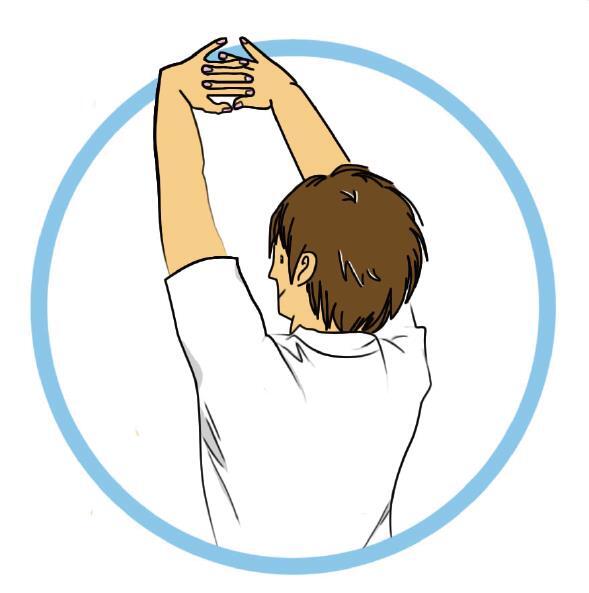
– Exercise with both hands
Clasp your fingers tightly, push them forward with your backhand, and then slowly lift them up to the top of your head
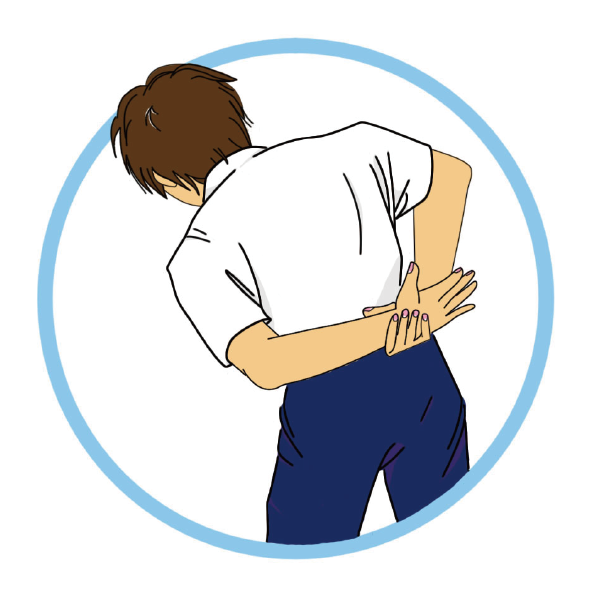
– Back hand movement
Hold your hands behind your back, tilt your shoulders towards the painful side, swing your hips to the opposite side, and pull your hands higher
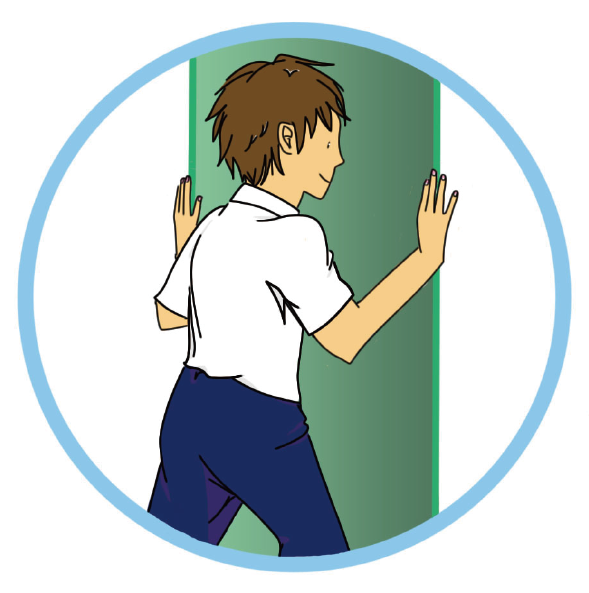
– Chest push door exercise
Hold the door frame with both hands, take a step forward, and push your chest forward
Exercise is done according to one’s ability, and it should not be rushed. Ice can be applied after exercise to relieve pain and discomfort.
Frozen shoulder’s traditional Chinese medicine diet and health care medicinal diet
- Dangshen mutton soup: angelica, codonopsis, chuanxiong, and white peony are 2 qian each, mulberry branches and Qianghuo are 3 qian each, licorice is 1 qian, and mutton is 1 tael.
- Qigui stewed chicken soup: astragalus 6 qian, angelica 4 qian, appropriate amount of ginger, 1 boy chicken.
- Angelica blood vine egg soup: Angelica sinensis and chicken blood vine 3 qian each, woody fragrance, tangerine peel, and red peony 2 qian each, mulberry branches 4 qian, and 1 egg.
- Gui pig’s trotter soup: 2 qian with slices, 2 qian of cinnamon twigs, 6 qian of mulberry branches, 3 qian of Qianghuo, and 1 pair of pig’s trotters.
- Pueraria root and cinnamon seed porridge: 6 qian of kudzu root, 3 qian of cinnamon twig, decoct the juice in water and add 6 qian of coix seeds and 1 tael of japonica rice to cook porridge.
Preventive care for frozen shoulder
1. Shoulders should be kept warm and avoid wind and cold.
2. Sleep in clothes with sleeves and avoid bare shoulders.
3. Keep your shoulders active every day and often raise your hands high.
4. Swimming or hanging horizontal bars can improve the curative effect.