
In Traditional Chinese Medicine (TCM), rheumatoid arthritis (RA) and osteoarthritis (OA) are both classified under “Bi Syndrome” (painful obstruction) but are differentiated by their root causes, with RA often stemming from external pathogenic factors (damp-heat) and OA from internal deficiency (kidney/liver) , requiring different treatment approaches.
Rheumatoid Arthritis (RA) in TCM:
. Syndrome Analysis: Often identified as “damp-heat-stasis” syndrome, manifesting as hot, swollen, tender, and stiff joints, similar to acute, high-activity RA.
. Treatment Focus: Emphasizes clearing heat and promoting blood circulation to stop pain.
. Common Treatments: Qingre Huoxue decoction, Tripterygium wilfordii (Thunder God Vine) cream, and acupuncture (especially for reducing inflammation).
. Goal: Control disease activity and prevent deformation.
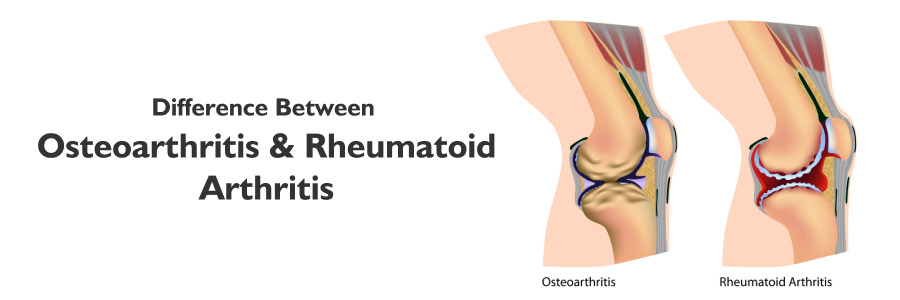
Osteoarthritis (OA) in TCM:
. Syndrome Analysis: Frequently linked to a “liver/kidney deficiency” or “cold-dampness” syndrome, presenting as degeneration, pain aggravated by cold, and stiffness.
. Treatment Focus: Focuses on strengthening the liver and kidneys, nourishing blood, and dispelling cold/dampness.
. Common Treatments: Herbal formulas (like Bi-Qi capsules), acupuncture (electro-acupuncture for pain), and Tai Chi.
. Goal: Improve function, reduce inflammation, and prevent long-term joint replacement.
Key Differences in TCM Approach:
. RA requires clearing acute, inflammatory “heat” and “toxic” factors.
. OA requires nourishing “deficiency” (weakness) to address the root, alongside dispelling “cold”.
Both can be treated with acupuncture, but the selection of points and herbs depends on whether the pain is “hot” (RA) or “cold/deficiency-based” (OA).